In this fast digital world, so many choices are available at the tap of a screen. So, Brand Loyalty is more essential and more challenging than ever. A brand builds its credibility not only based on price or products but also by underlying psychological connections.
Let’s talk about the psychology of Brand Loyalty, what makes it happen, and how brands can develop and sustain it in 2025 and beyond.
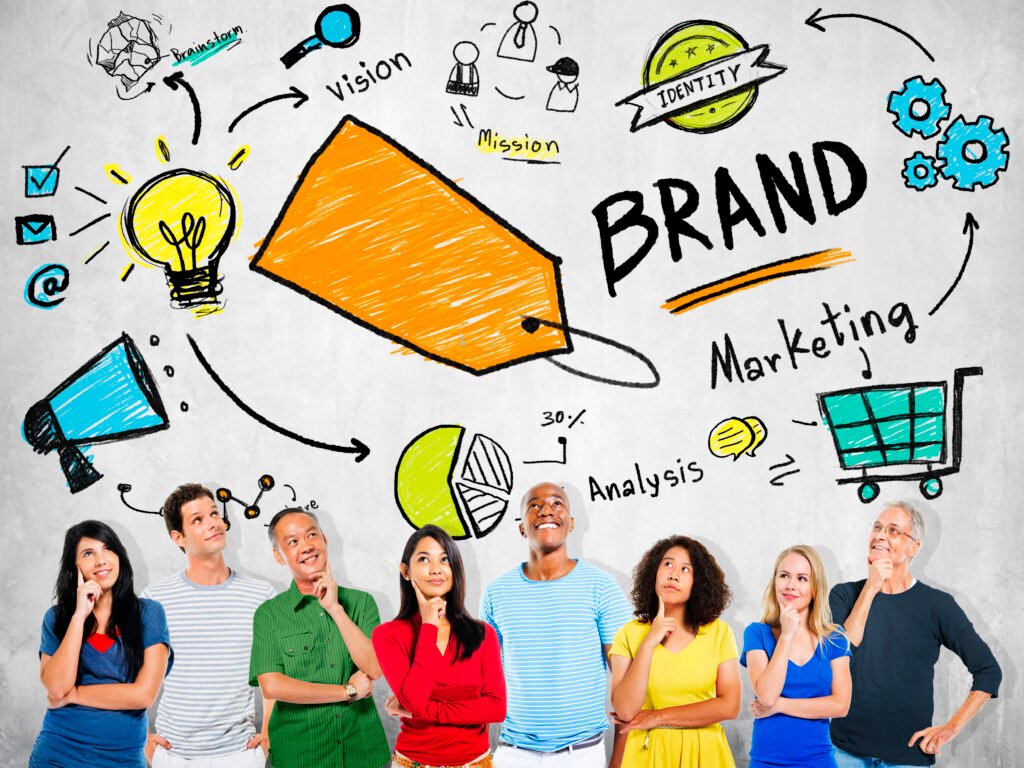
Brand Loyalty refers to a customer’s consistent preference for one brand over others, even when faced with competitive alternatives. When customers are loyal, they argue that a brand is the best, forgive the brand’s small mistakes, and become repeat buyers.
Nowadays, in addition to traditional marketing strategies, psychology is used to understand human behaviour and build deeper relationships with customers in order to foster this commitment.
Emotional Connection: The Heart of Brand Loyalty
Human beings are emotional creatures. Emotions override logic when making decisions. Research says 70% of human decision-making is emotional, 30% rational. And when people emotionally connect to a brand, they will spend more. Brands that provide an emotional experience are likely to survive longer.
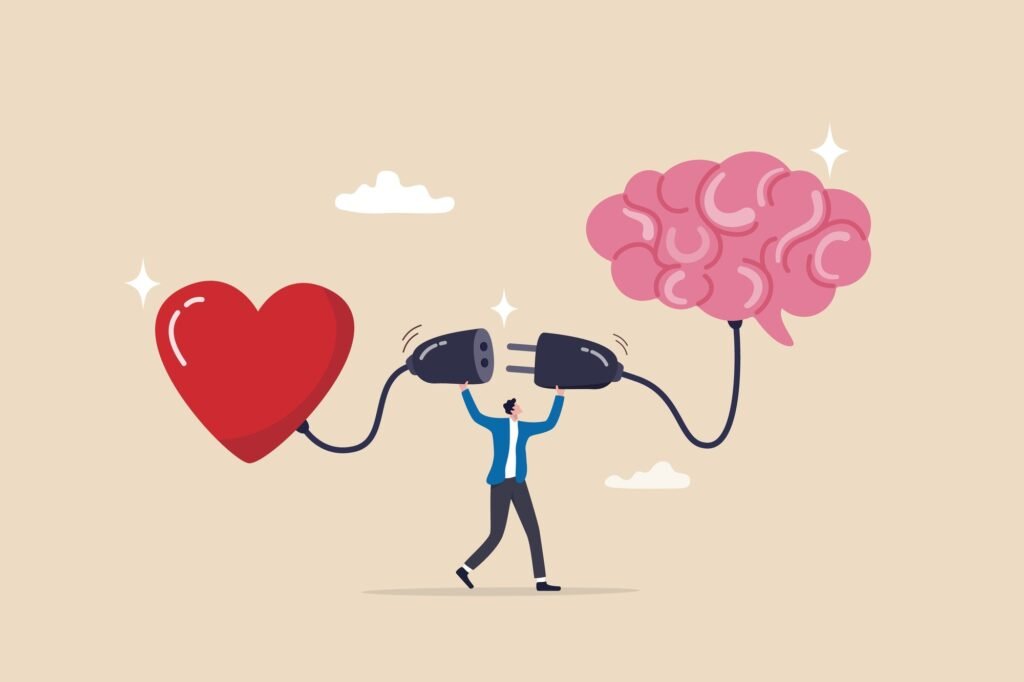
To build emotional Brand Loyalty, start by sharing your brand journey, mission, and values with your audience in a compelling way in the form of stories. A cause-orientated approach is also necessary. Support social causes and customer-related causes, because people are loyal to the brands that believe in the same things as them. Also, prioritise relatability, using content, language, and imagery that speaks to the lifestyle, dreams, and identity of your target customer. These emotional bonds place trust and cause the brand to last longer.
Personalization: Making Customers Feel Seen
In this digital era, personalisation is not something extra; it’s an expectation. Customers expect to be treated as individuals and valued.

To enhance Brand Loyalty through personalization, start by offering personalized recommendations using AI and customer information to suggest products or services based on one’s behaviour and interests. Send personalized emails or messages addressed to customers by name, containing offers and information that match their interests. Moreover, create personalized experiences by allowing users to personalise their journey on your website or app; it makes engaging with your brand more fun and interactive.
Consistency and Trust: The Foundation of Loyalty
Consistency builds trust, and trust is Brand Loyalty currency. If your product quality, customer service, messaging, and branding are consistent across platforms, customers will trust you.

Consistency in building trust is necessary in building Brand Loyalty. Avoiding overpromises and ever trying to make good on it will increase credibility. Make sure you maintain consistent branding everywhere you are represented, including your site, social media, and advertising, in order to develop a consistent, genuine presence. Good customer service is also important; fast, informative answers reassure customers they are valued. And in today’s Internet, where online reviews and social validation are instantly accessible, one poor experience will destroy trust. Which is why transparency and quality across all customer touchpoints are key.
Engagement and Community Building
Loyalty grows when customers feel like part of a community. Online platforms allow easier connection and participation in thought-provoking, two-way communication than ever before.

One of the most effective strategies for establishing Brand Loyalty is to have an engaged social media presence. Reply to your customers’ comments, feature user-generated content, and respond to followers in real time. Creating communities like online forums, special interest groups, or reward programmes also gets customers more engaged with the brand and with other customers. Listening is equally important; ask customers for their feedback and actually follow through and apply it in shaping your products or content. A perfect example is Glossier. The beauty brand built its success on careful listening to its public and interacting with them along the way, building a digital-first community where consumers become familiar insiders rather than mere buyers.
Loyalty Programs That Reward More Than Purchases
Traditional programmes offer discounts or points, but today’s consumers demand more substantial rewards. Today’s best programmes reward engagement and long-term relationships, not spending.
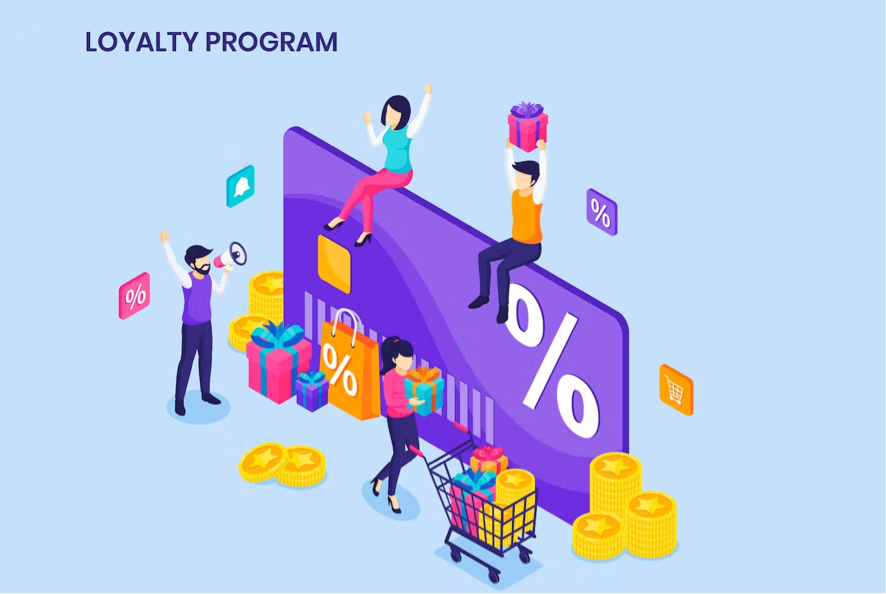
The most important aspects that bring these programmes to success are tiered rewards, which encourage customers to level up and get new benefits, private experiences such as early access to products or backstage content, and gamified features that make participation fun through badges, challenges, or levels. One of the most notable examples is the Starbucks app, which combined mobile ordering, gamified reward system, and special perks to bring high engagement and repeat use.
Social Proof and Influence
People will generally do what is being done by others. That’s why customer testimonials, reviews, and influencer marketing are important in digital Brand Loyalty.
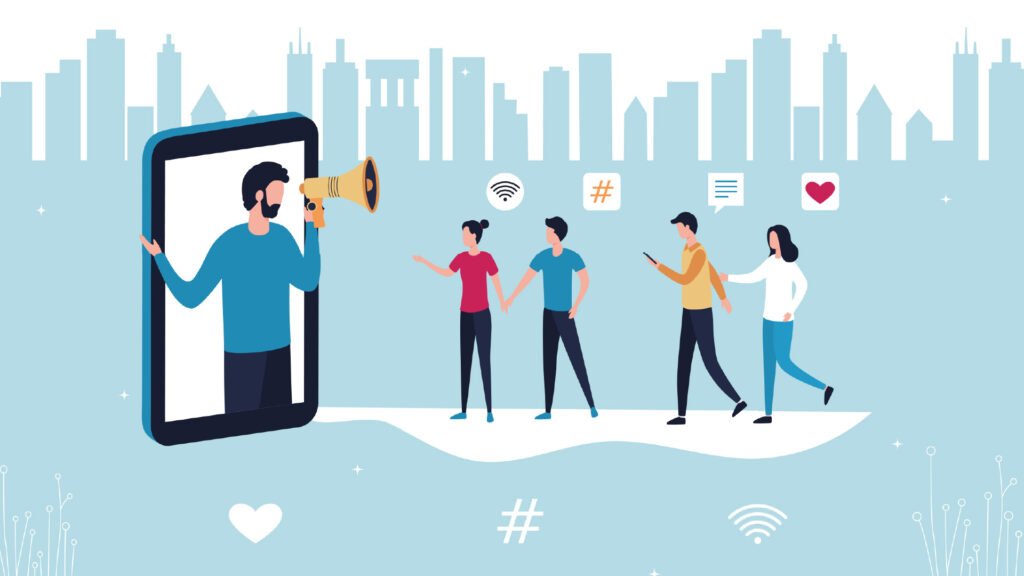
therefore, social proof works as a powerful driving force to enhance Brand Loyalty since it induces trust and affiliation. User ratings and reviews create trust and make purchasing easy. Collaborations with influencers provide authenticity and increase your brand’s visibility, and user-generated content provides credibility and community building. To capitalize on the effect, make it easy for satisfied customers to share and show appreciation to the people who help spread your brand. After all, a loyal customer is one of your most valuable marketing assets.
Transparency and Authenticity
In a world of information saturation and more sceptical consumers, integrity is no longer an indulgence but a necessity.

That means being open to admitting mistakes and demonstrating how it’s resolved, being open on sourcing, pricing, and business policy, and opening up the human side of your people and values. When individuals see that a brand is real and ethical, they are more apt to trust it—and trust can be the basis of long-term Brand Loyalty.
Start your brand journey with us.
FOMO and Scarcity: The Psychological Nudge
Being able to manufacture a perception of scarcity or lack can similarly be a strong mechanism for instilling Brand Loyalty through appealing to customers’ fear of missing out (FOMO).
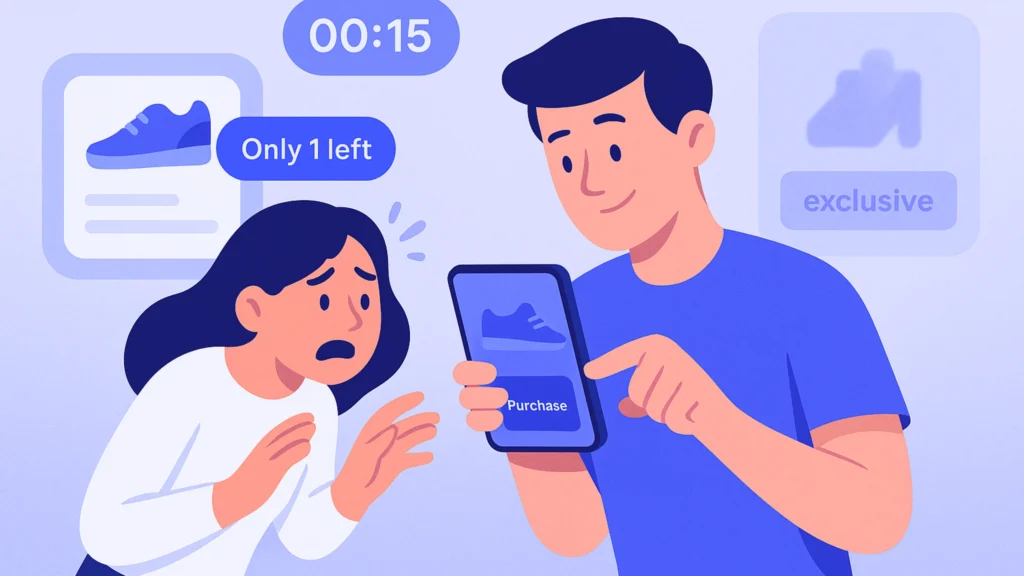
Strategies such as limited-time offers, special product releases for die-hard customers, and early access for members or subscribers have the potential to make individuals feel special and in the know. But avoid doing it too much or in an artificial way—too much dependency or artificial exclusivity can drain trust. When implemented sincerely, these strategies not only push activity but also support a sense of belonging and prioritization on the part of your most dedicated customers.
Brands that understand and implement these strategies will not only retain customers—they will create brand advocates who support and promote them for years to come.
Brand Loyalty is no longer established through continuous advertising or witty slogans. It’s psychology, human touch, and online experience. Today, customers are smarter, more networked, and more discerning than ever before.